



Year-round birding
Back to Top of List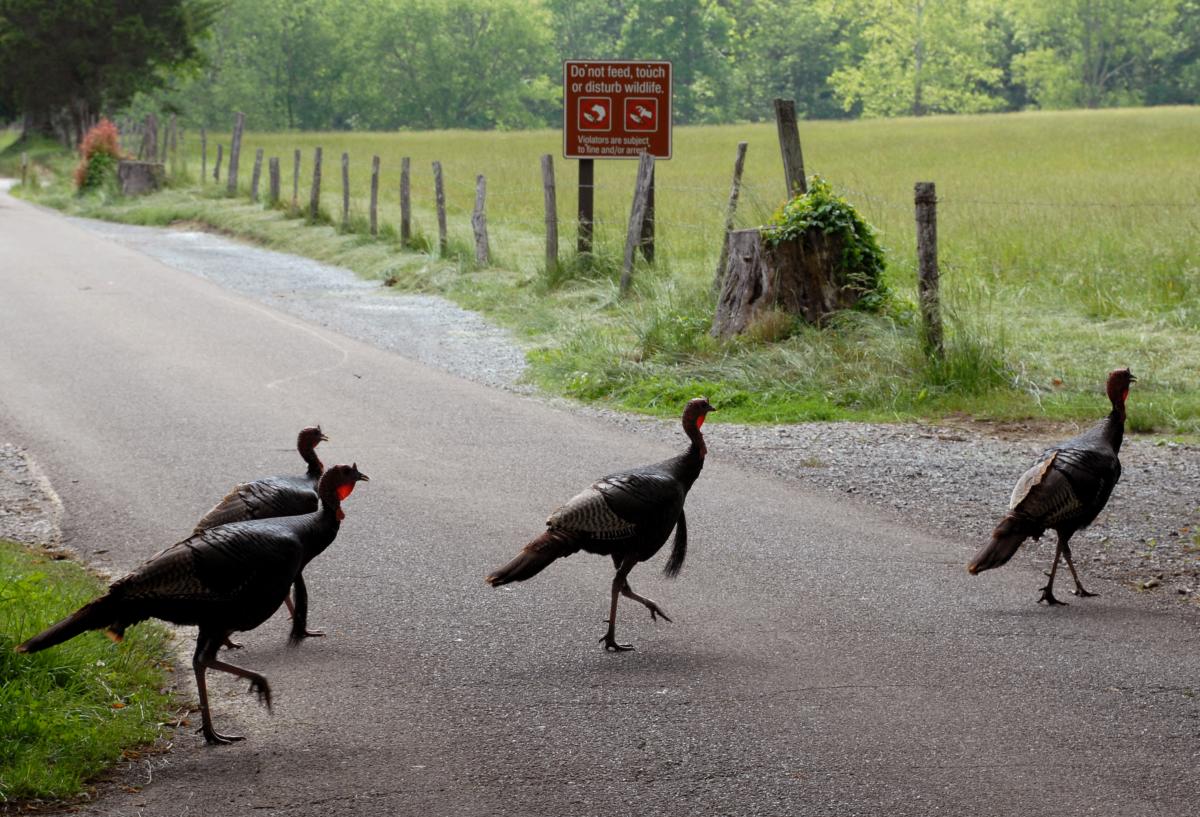 Birdsong may peak in the warmer months, but bird life abounds year-round in Gatlinburg.
Avian Report notes that bird enthusiasts frequently report seeing 40 common species in the Smokies, while the National Park Service estimates that 60 species live in the park year-round. The Cades Cove area near Gatlinburg draws birders seeking scenery and solitude.
Some feathered friends are hard to miss. The unmistakable Wild Turkey, among the largest North American birds, travels in packs. Often seen near woods, look for them along forest edges or in open fields. Spot the Red-Tailed Hawk flying high and perched atop bare branches. Adults have red-orange tails, while juveniles are paler. Another commonly seen species, the Red-shouldered Hawk, features a checkerboard pattern on its wings. Wood Ducks, Piliated
Endangered and protected species
Back to Top of List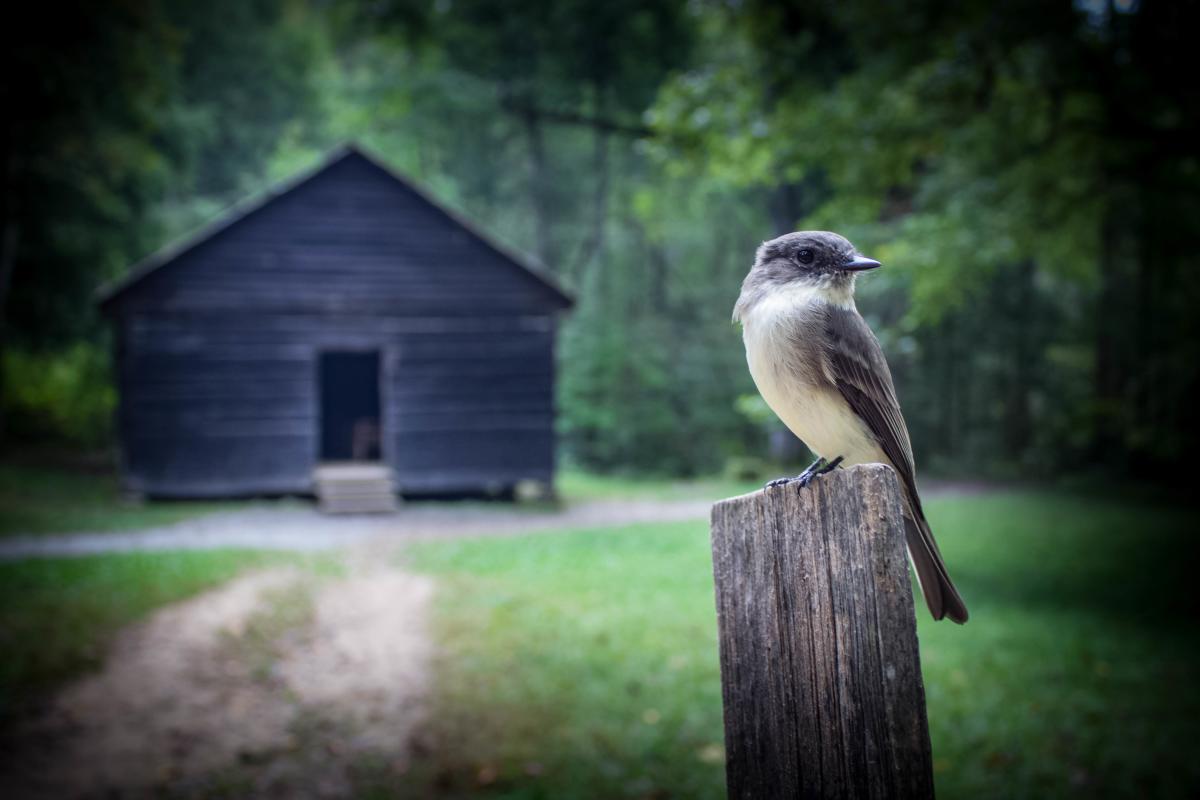 Many bird species still nesting in the Gatlinburg area are deemed rare or vulnerable. While they may not have State or Federal endangered designation, some have experienced a plummeting population in recent years. The Little Brown Bat, for instance, has declined in numbers by more than 95% in the past decade.
Protected warblers include the Cerulean, Golden-winged, and Bay-breasted. Many are familiar with the at-risk Peregrine Falcon, Red-headed Woodpecker, Yellow-bellied Sapsucker, Chimney Swift, Eastern Whip-poor-will, and Black-capped Chickadee. Songbirds including Henslow’s Sparrow, Wood Thrush, Eastern Meadowlark, Olive-sided Flycatcher, and Scarlet Tanager make the list. Fascinating species including the nocturnal Chuck-will’s-widow, the rattling Belted Kingfisher are also imperiled.
Biologists at Great Smoky Mountains National Park are focusing conservation efforts on birds, a vital part of the regional ecosystem. That includes bird banding, a scientific method for tracking avian behaviors and lifespans. Workers gently capture birds with mist nets, then carefully examine them and fit them with small leg bands to gather valuable data over time.
Flights of fancy
Back to Top of List Bird lovers young and old flock to Anakeesta’s BirdVenture, open year-round. This whimsical treetop experience allows guests to step inside larger-than-life birdhouses and experience the world from a bird’s perspective. Suspended bridges, tunnels, and lookout towers immerse guests in a whimsical bird-life adventure. BirdVenture is also one of Gatlinburg’s best spots for sight-seeing, with panoramic views of Great Smoky Mountains National Park.
While you’re here, take home a Smoky Mountain souvenir for your backyard birds. Beech Branch Crafts in the Great Smoky Arts & Crafts Community sells a variety of unique art and handmade wares, including lovely (and practical) rustic birdhouses.
Tips for Identifying Birds in the Smokies
Back to Top of List
- Download a bird identification app such as the free Merlin Bird ID from the Cornell Lab of Ornithology before your visit. Cell service is limited in the park, so be sure to download the Southeastern U.S. offline data in advance.
- Bring a field guide to help with visual identification. Choose one specific to the Eastern U.S. or the Smokies region for the most helpful information.
- Bring binoculars and practice using them before your trip. Birds are quick, and the dense vegetation in the Smokies can make them difficult to spot.
- Do not use recorded bird calls or artificial lights, as these are prohibited without a research permit.
- Go birding early in the morning, when most birds are active—especially during spring and fall migration.
- Explore different habitats throughout the park. Visit areas at various elevations, near streams, in hardwood forests, and in open fields to increase your chances of seeing a wider variety of species.
- Stay on trails to avoid trampling vegetation or disturbing nesting areas. This also helps protect sensitive ecosystems.
- Be patient and observant. Consider finding a quiet spot, staying still, and letting the birds come to you.
The information above provided by NPS.gov


